.png)
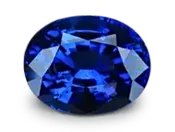
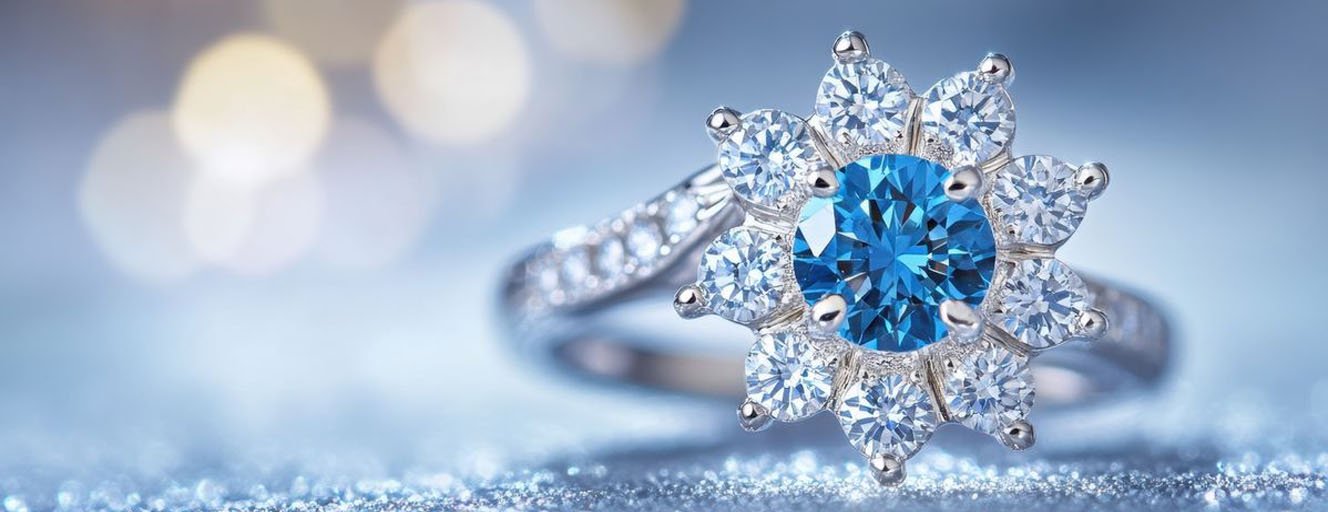
Blue Sapphire, known as Neelam in Hindi, is one of the most powerful and fast-acting gemstones in Vedic astrology. Associated with the planet Saturn (Shani), this precious stone can bring rapid transformation in one's life. However, choosing the right Blue Sapphire is crucial as a wrong or fake stone can have adverse effects.
Why Blue Sapphire is So Powerful
Saturn is the planet of karma, discipline, justice, and longevity. When Saturn is favorably placed in a birth chart, wearing a Blue Sapphire can bring sudden wealth, career success, protection from enemies, and relief from chronic diseases. However, if Saturn is malefic, the stone may not suit everyone.
Factors to Consider When Buying Blue Sapphire
1. Color - The Most Important Factor
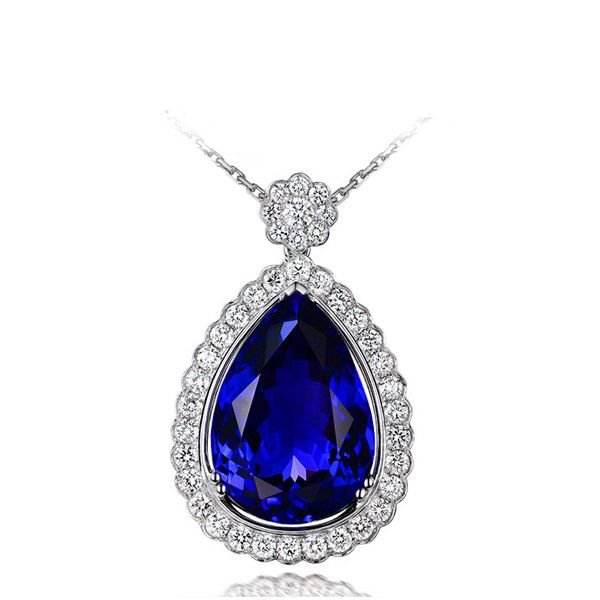
The ideal Blue Sapphire should have a rich, velvety blue color with good saturation. The most desirable shades are:
- Cornflower Blue: Medium blue with a slight violet hue - highly prized
- Royal Blue: Deep, intense blue - excellent for astrological purposes
- Velvet Blue: Rich blue with a soft, velvety appearance
- Peacock Blue: Blue with a hint of green - unique and beautiful
Avoid stones that are too dark (almost black) or too light (washed out).
2. Clarity
Natural Blue Sapphires often contain inclusions, unlike lab-created stones. For astrological purposes, eye-clean stones (no visible inclusions to the naked eye) are preferred. However, minor inclusions are acceptable and actually confirm natural origin. Avoid stones with cracks, chips, or large visible flaws.
3. Origin
The origin significantly affects the quality and price of Blue Sapphire:
- Kashmir Blue Sapphire: Rarest and most valuable - velvety cornflower blue
- Ceylon (Sri Lanka) Blue Sapphire: Known for brilliant, lighter blues
- Burma (Myanmar) Blue Sapphire: Rich, deep royal blue
- Madagascar Blue Sapphire: Good quality at affordable prices
- Australia Blue Sapphire: Often darker with greenish tones
4. Carat Weight
For astrological benefits, a Blue Sapphire should be at least 3 to 5 carats. The weight should be proportionate to the wearer's body weight. Larger stones (7 carats and above) are more powerful but also more expensive.
5. Certification
Always demand a certificate from a reputed gemological laboratory:
- GIA (Gemological Institute of America)
- IGI (International Gemological Institute)
- Gubelin Gem Lab
- SSEF Swiss Gemmological Institute
- IIG (Indian Institute of Gemology) - for Indian buyers
6. Cut and Shape
The cut should maximize the stone's brilliance and color. Common shapes for astrological Blue Sapphires include oval, cushion, and emerald cut. Ensure the stone is well-proportioned without a bulging belly or overly flat crown.
How to Identify Fake Blue Sapphires
Common imitations and treatments to watch out for:
- Glass or Cubic Zirconia: Look for bubbles, scratches, and unnatural color
- Synthetic Sapphire: Lab-created stones have perfect clarity and curved growth lines
- Diffusion Treated: Color only on the surface - check for uneven color distribution
- Lead Glass Filled: Look for flash effect and blue color in fractures
- Treated Kyanite or Tanzanite: Softer stones that scratch easily
Testing Methods at Home
- Breath Test: Natural stone fogs up slowly; fake stones clear quickly
- Scratch Test: Sapphire (9 on Mohs scale) will scratch glass
- Magnification: Natural stones have inclusions; synthetics are too perfect
Where to Buy Blue Sapphire
Purchase from trusted sources only. Recommended places:
- Reputed local jewelers with established credibility
- Government-approved gemstone dealers (like Gem & Jewellery Export Promotion Council members)
- Certified online gemstone stores with return policies
- Directly from gemstone mining regions (with expert guidance)
Last Updated: April 10, 2026
.png)
.png)
.png)